Effective Low Testosterone Solutions: Treatments That Work
- Jerry Shelby
- Jan 13
- 4 min read
Low testosterone is a common health issue affecting many men worldwide. It can lead to symptoms such as fatigue, reduced muscle mass, low libido, and mood changes. Fortunately, there are several effective low testosterone solutions available today. Understanding these options can help individuals make informed decisions about their health and well-being.
Understanding Low Testosterone Solutions
Testosterone is a vital hormone responsible for many functions in the male body, including muscle growth, bone density, and sexual health. When testosterone levels drop below the normal range, it can cause a variety of physical and emotional symptoms. Low testosterone solutions aim to restore hormone levels to a healthy range, improving quality of life.
Some common causes of low testosterone include aging, chronic illness, obesity, and certain medications. Identifying the root cause is essential for choosing the most effective treatment. Healthcare providers often recommend lifestyle changes alongside medical treatments to maximize results.
Medical Treatments for Low Testosterone
There are several medical options available for treating low testosterone. These treatments are designed to increase testosterone levels safely and effectively.
Testosterone Replacement Therapy (TRT)
Testosterone Replacement Therapy is the most widely used treatment for low testosterone. It involves supplementing the body with synthetic testosterone through various methods:
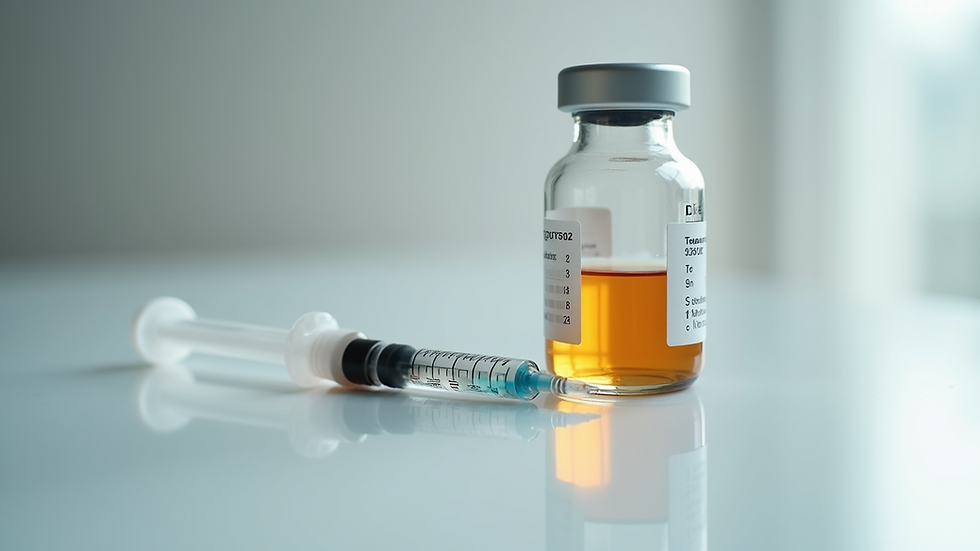
Injections: Administered intramuscularly, usually every 1-2 weeks.
Gels and Creams: Applied daily to the skin, allowing testosterone to be absorbed.
Patches: Worn on the skin and replaced daily.
Pellets: Implanted under the skin, releasing testosterone over several months.
TRT can significantly improve symptoms such as low energy, decreased libido, and muscle weakness. However, it requires regular monitoring by a healthcare professional to avoid side effects like increased red blood cell count or prostate issues.
Clomiphene Citrate
Clomiphene citrate is an oral medication that stimulates the body’s own production of testosterone. It is often used in men who want to maintain fertility while treating low testosterone. This treatment can be effective for younger men or those with specific hormonal imbalances.
Human Chorionic Gonadotropin (hCG)
hCG is another injectable treatment that stimulates the testes to produce more testosterone naturally. It is sometimes used in combination with TRT or as a standalone therapy for men who want to preserve fertility.
Lifestyle Changes That Support Low Testosterone Solutions
In addition to medical treatments, lifestyle changes can play a crucial role in managing low testosterone. These changes can enhance the effectiveness of medical therapies and improve overall health.
Diet and Nutrition
Eating a balanced diet rich in vitamins and minerals supports hormone production. Foods high in zinc, vitamin D, and healthy fats are particularly beneficial. Examples include:
Oysters and shellfish (high in zinc)
Fatty fish like salmon (rich in vitamin D)
Nuts and seeds (contain healthy fats)
Avoiding excessive sugar and processed foods can also help maintain healthy testosterone levels.
Exercise and Physical Activity
Regular exercise, especially strength training and high-intensity interval training (HIIT), has been shown to boost testosterone levels naturally. Building muscle mass through resistance training can improve hormone balance and reduce symptoms of low testosterone.
Sleep and Stress Management
Quality sleep is essential for hormone regulation. Aim for 7-9 hours of uninterrupted sleep per night. Managing stress through mindfulness, meditation, or yoga can also prevent cortisol from negatively impacting testosterone production.

Monitoring and Adjusting Treatment
Effective low testosterone solutions require ongoing monitoring. Regular blood tests help track testosterone levels and ensure treatments are working as intended. Adjustments to dosage or treatment type may be necessary based on symptoms and lab results.
Patients should communicate openly with their healthcare providers about any side effects or concerns. This collaboration helps optimize treatment outcomes and maintain long-term health.
Exploring Natural Supplements and Alternative Therapies
Some men explore natural supplements and alternative therapies to support testosterone levels. While these options may provide benefits, it is important to approach them with caution and consult a healthcare professional before use.
Common supplements include:
Tribulus Terrestris: Believed to enhance libido and testosterone production.
Fenugreek: May improve strength and sexual function.
D-Aspartic Acid: An amino acid that could boost testosterone synthesis.
Herbal remedies and acupuncture are also explored by some, but scientific evidence supporting their effectiveness is limited.
For those interested in a medically supervised approach, low testosterone treatment options should always be discussed with a qualified healthcare provider to ensure safety and efficacy.
Taking the Next Step Toward Better Health
If you suspect you have low testosterone, the first step is to seek professional medical advice. A thorough evaluation, including blood tests and symptom assessment, will help determine the best course of action.
Combining medical treatments with healthy lifestyle changes offers the best chance for success. With the right approach, many men experience significant improvements in energy, mood, and overall quality of life.
Remember, managing low testosterone is a journey that requires patience and commitment. Stay informed, follow your healthcare provider’s recommendations, and prioritize your well-being.
By understanding and utilizing effective low testosterone solutions, you can regain vitality and improve your health in meaningful ways.

Comments